With summers approaching, the era of smoothies and smoothie bowls is all prepared to make a stellar comeback (no, it never went out of cycle, just winters are our quintessential parantha season). And whoever is a bit of a smoothie bowl enthusiast knows the importance of the various toppings that not only provide a crunch but also add a lot of nutrition and flavour. Flax seeds (also known as Alsi) are one of our favourite toppings to add. From improving digestion to reducing the risk of heart disease, here's a comprehensive guide on the benefits of flax seeds so that you can make them an inevitable addition in your diet.

5 Advantages Of Flax Seeds & How To Consume Them
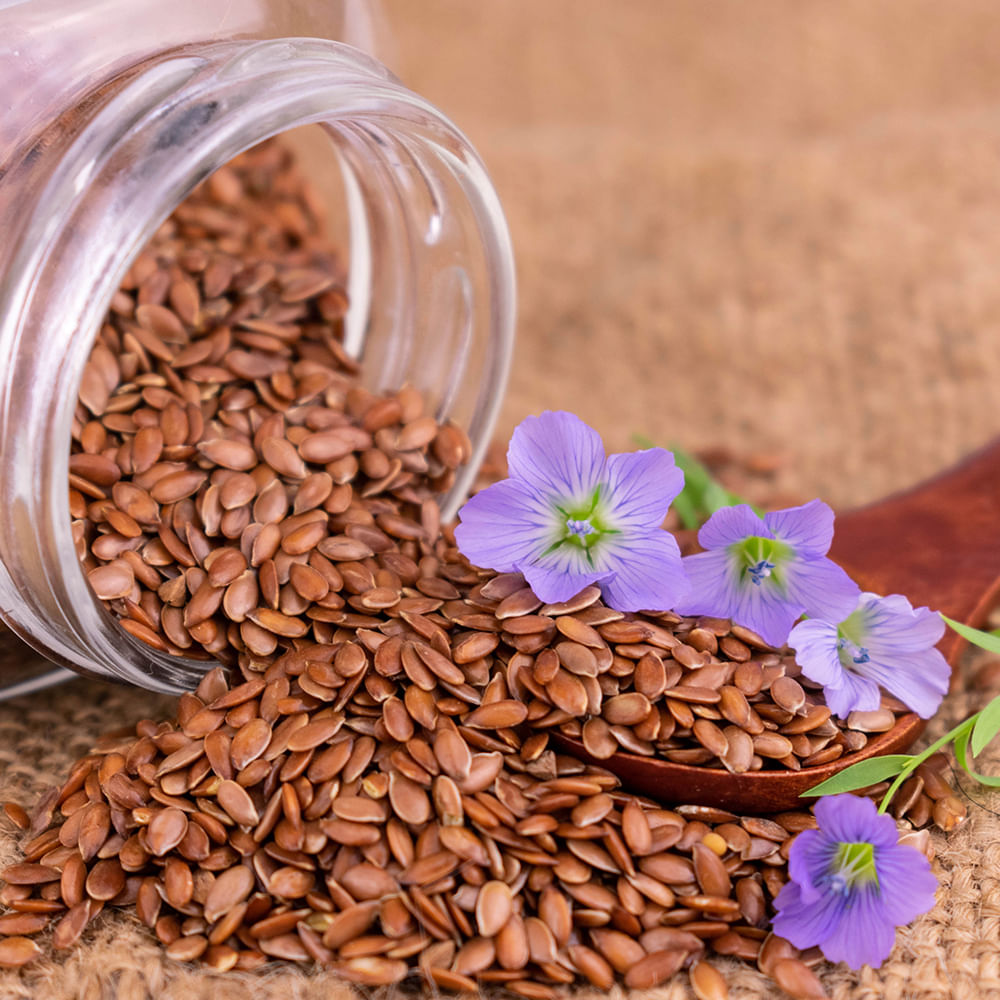
What Are Flax Seeds?
Derived from a flax plant called Linum usitatissimum, and originating in the Middle East, flax seeds have high concentrations of heart-healthy omega-3 fats, fibre, and other unique plant compounds, including alpha-linolenic acid. They are a great addition to your diet, and you can easily incorporate them into your food as whole, grounded, roasted, blended, or even as flaxseed oil. They also contain phytoestrogens, named lignans, which are an important class of dietary polyphenols with fibre present in the seed coat itself.
Nutritional Value
One tablespoon of flax seeds, which is about seven grams contains the following:
Sodium: 2.1 mg
Potassium: 56.9 mg
Total Carbohydrate: 2g
Dietary Fiber: 1.9g
Protein: 1.3g
Vitamin C: 0% of DV
Iron: 2% of DV
Vitamin B6: 0% of DV
Magnesium: 6% of DV
Calcium: 1% of DV
Vitamin D: 0% of DV
Cobalamin: 0% of DV
Selenium: 3% of the DV
Zinc: 3% of the DV
Vitamin B6: 2% of the DV
Folate: 2% of the DV
How To Consume
Flax seeds are pretty versatile and can be consumed in a number of ways. You can put them on top of your smoothie bowls, salad dressings, sabzi, and raita, or add them to your yoghurt bowls, making you feel refreshed and full. You can even incorporate them when baking as a substitute for eggs (we've done it and loved it!). Dietiisna recommend one tablespoon of flaxseeds a day, and not more than that.
Benefits Of Flax Seeds
Lowers Cholesterol Levels
With multiple researches done, the consumption of milled flax seeds has shown a significant decrease (almost 15 per cent) in cholesterol levels and even helps with maintaining blood pressure. This is deduced because of the fibre present in the flaxseed, which binds itself to the bile salts and pulls cholesterol from the blood into your liver, resulting in lower cholesterol levels.
Good For Heart Health
Flax seeds are an excellent source of ALA, a type of omega-3 fatty acid essential for heart health. This specific fatty acid is derived from food only, which means that the body doesn't produce it, making the consumption of flax seeds all the more essential. ALA might also help with inflammation and maintain healthy blood vessels.
Maintains Blood Sugar Levels
The soluble fibre content of flax seeds helps with low blood sugar levels and helps maintain healthy blood sugar levels. Their regular consumption also prevents insulin resistance, which is the reason that the body is not able to regulate its own sugar levels. According to Healthline, this is particularly helpful for individuals with type 2 diabetes.
Helps To Maintain Weight
Flax seeds help you to feel full for a longer amount of time, and thus overall helping you to cut down on your snacking, and cravings. This automatically results in lower calorie intake and helps you to maintain your weight and health levels. Many researches have shown a significant improvement in BMI after a regular incorporation of flax seeds in the diet.
Rich In Antioxidants
As mentioned before, flax seeds are rich in fatty acids and are also packed with antioxidant properties, which in the longer run can help to prevent cancer and heart disease and promote good cardiovascular health.