The 13 Must-Haves Of Kolkata Street Food

3190 Interested |
17K  Views

Kolkata street food is so high up there in the culinary level that people from across the world travel to taste it. Even today, INR 10, INR 20 and INR 100 can feed a whole group. Oh, how could I forget, all these street food dishes have been recognised by UNESCO under their UNESCO Intangible Cultural Heritage list, and some even have the G.I. Tag. 

If this is already making your mouth water and stomach rumble, here's our curated list of every street food in Kolkata and where to have them!

Top 13 Kolkata Street Food Delicacies You Must-Try


Kolkata Kathi Rolls

In 1932, Raza Hassan Saheb established the famous Mughlai restaurant Nizam in Kolkata, which brought rolls to the city and its residents. The Kathi roll was created when the same roasted, juicy kebabs were wrapped in flaky, fried flatbreads known as parathas one day. The smoky kebabs at Nizam's were a favourite among both Indians and British in colonial Calcutta. Other than Nizam's, you can find kathi rolls at every street food corner and shop. If you really want to taste the best after Nizam's, try Kusum Rolls, Badshah, Zeeshan, Bedwin in Golpark, Hot Kathi Rolls, or Jhantu Roll Shop for the greatest vegetable rolls with a hint of spice!

Timings: Nizam's; 11:30 AM - 10:30 PM, Kusum Rolls; 11:30 AM - 12 AM, Badshah; 11 AM - 10:30 PM, Bedwin; 11 AM - 11 PM, Zeeshan; 12:30 PM - 11:30 PM, Jhantu; 9 AM - 11 PM

Price: Starts at INR 60

Phuchkas

Not golgappe, not panipuri. No. This is called the one and only phuchka. Yes, the word 'phuchka' refers to the unexpected "phuch!" sound made when you munch this. The genesis of phuchka is known to have two stories. They cost INR 10 for six pieces, INR 20 for twelve, and so on. They are sold by roadside vendors around the city and state; you can have them anytime, anywhere. If you're looking for the best and most-talked-about phuchka spots, then visit the stalls in front of Lake Kalibari, Rajendra Phuchka in front of Dakshinapan in Dhakuria, Dahi phuchka from Vivekananda Park, Forum Mall, and Victoria Memorial.

Timings: 3 PM onwards

Price: Starts at INR 10

Momos

A street food in Kolkata that gives a run for our money, it's our Tibetan favourite – momos. Tibetan exiles established Kolkata's first momo stall close to Park Circus, and the locals soon came to love it. These include steamed momos, fried momos, tandoori momos, chocolate momos and gondhoraj momos. Near Exide More, Lords More, Momo I Am, Leon's, Grub Club, Denzong Kitchen, Tibetan Delight, Indrani's Momo and Wow! Momo is one of the most well-liked locations in Kolkata for momos. A plate of steaming hot momos is a must-try while visiting Kolkata, whether you're a resident or a visitor.

Timings: 12 PM onwards

Price: Starts at INR 100

Jhalmuri

A popular street-based savoury mixture in Bengali, Bihari, and Odia cuisines across the Indian subcontinent, jhalmuri is made with puffed rice, a variety of Indian spices, onions, vegetables, Bombay mix (chanachur), and raw mustard oil. For all the jhalmuri lovers, Bengalis have rules about how to eat it. Only thongas, cones, or newspaper-made bags may be used to eat it. The muri is flung into the mouth after first being poured into the hand. The unspoken rule is to never use a spoon to enjoy jhalmuri. You can try jhalmuri in front of Vardaan Market, in front of Victoria Memorial, Lake Kalibari, Dakshinapan, Lords More, FD Block Salt Lake and any street corner where you see the stall and the word 'jhalmuri' painted across the cart.

Timings: 3 PM onwards

Price: Starts at INR 10

Dim-Pauruti, Ghugni & Chaa

Cha, dim pauruti, ghugni and butter toast. Kolkatans have a particular place in their hearts for this breakfast. The majority of office workers and college students will have a favourite kakur dokaner dim pauruti. Typically, milk bread, which tastes sweet, is used. The dim pauruti is served on impressive silver paper plates at any roadside street food stall that opens at 6 AM or even earlier. It is perfectly paired with some bharer chaa. For the best dim pauruti, visit Bholanath Cabin, Daily Bhoj Cabin, or any chaa er dokaan (tea stall) that has packets of bread and a basket of eggs hanging.

Timings: 6 AM onwards; Bholanath Cabin, 6 AM - 8 PM

Price: Starts at INR 10

Eating At Dacres Lane

This food street runs parallel to Esplanade and The Lalit Great Eastern. It's affordable, it's made with love, and the stories that you'll get to hear from them will be worth it all! Be it breakfast, lunch, snacks or even dinner, the smell of street food that wafts through this lane makes you hungry in an instant. Bread and chicken stew, fish-fry from Chitto Dar Dokan, masala kulcha and chicken bharta from any of the food stalls, chilli chicken, chowmein and fried rice, khichuri, momos, maachh-bhaat (fish curry and rice). For decades, the food joints on Dacres Lane have served up delicious breakfasts and lunches for office-goers, shopkeepers and the babus of Writers' (that is, before the government HQ shifted to Nabanna). Even Gordon Ramsay had set up a stall here for his TV show. 

Timings: 8 AM - 9 PM

Price: Starts at INR 100

Luchi-Cholar Daal, Kochuri & Radhaballavi-Aloo'r Dum

Cholar daal has a somewhat sweet flavour and is prepared with a fragrant blend of cardamom, cinnamon, bay leaf, and whole spices, and luchi is a type of deep-fried flatbread or poori. Next is kochuri, followed by Radhaballavi and aaloo'r dum. Luchi can be eaten with cholar daal, aloo'r dum, shada aloo'r torkari, kosha mangsho, and even tea amongst Bengalis. Try kochuri and rabdi from Putiram, an iconic sweet shop, or mishtir dokan. People from all over Kolkata come here for the breakfast of the Bengali shingara, mishti doi, and, of course, the sweets. You have to eat at Maharani on Sarat Bose Road, offering kachoris, jalebis and tea.

Timings: 7 AM - 9 PM

Price: Starts at INR 20

Chinese From Tangra & Tirretta Bazaar

In every bite, you can feel Kolkata's rich Chinese influences from Hakka, Cantonese, Hubinese, and Shandong. Once confined to certain areas, it has now branched out throughout the city. One is Tangra, the Chinatown, and the other is Tirretta Bazaar for Chinese breakfast! Tung Nam at Tirreti Bazar is a widely recognised hotspot. Lung Fung soup, mixed meifoon, and schezwan fish are some of their well-known and distinctive pork dishes that will leave you wanting more. Kafulok is an absolute jewel in its own right in Tangra. You will fall in love with their pork meatball soup, braised pork belly with eggs, and char siu with bok choy stir fry. You should check Beijing for Thai soup, chicken hakka noodles, Lemon fish and chilli garlic tofu; Mandarin for Mixed meifoon or rice noodles, mixed fried rice, jumbo prawns, honey-garlic fish and crispy chicken.

Timings: Tung Nam Eating House, 12:30 PM- 6 PM, 6 PM- 10 PM; Kafulok, 11 AM - 11 PM; Mandarin, 12:30 PM - 10:30 PM and Beijing, 12 PM - 10:30 PM

Price: INR 1,000 for two

LBB Tip: Chinatown even boasts a Chinese Kali temple, where the goddess is presented with a variety of meals, including rice-and-vegetable combinations known as bhog in Bengali, chop suey, and noodles. A range of Chinese cuisine is served to worshippers here. Devotees are offered fried rice, chop suey, chow mein, noodles, and vegetarian Manchurian as sacred offerings.

Telebhaja

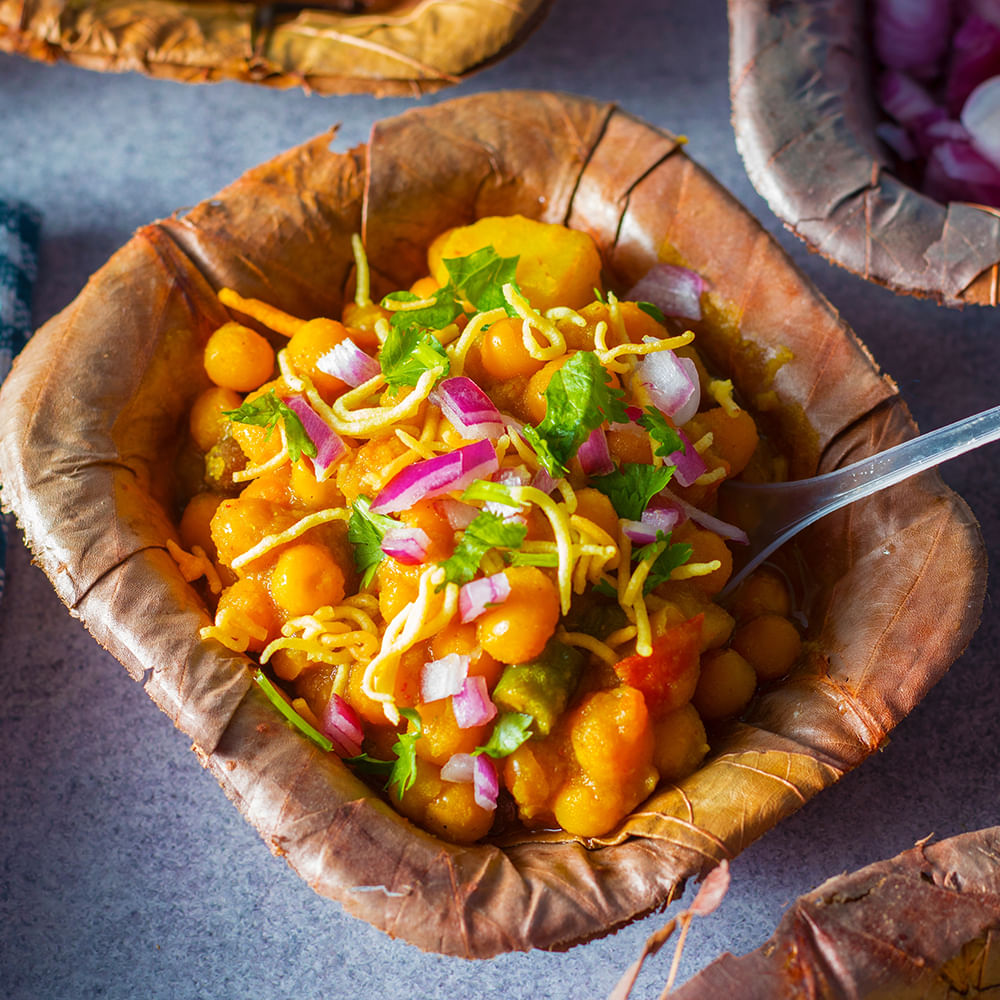
When the sun starts to go down in Kolkata, along with chaa, every Calcuttan will queue up to buy muri makha and telebhaja. 'Fried in oil' is what it literally means. Crunchy snacks coated in besan (gram-flour) batter and deep-fried in oil. It works incredibly well with chaa and muri anytime from Bagbazar to Burrabazar, New Market to Park Street. Alur Chop, Beguni, Pneyaaji, and Phuluri are the Big Four of telebhaja. The love of telebhaja by notable individuals like Swami Vivekananda and Netaji Subhas Chandra Bose is mentioned in history. Bose's fondness for its telebhaja is practically the only selling factor of Laxminarayan Shaw's 1918 store. Kalika, the roadside snack shop at 29, Surya Sen Street, has a rich history, and the quality of their telebhaja showcases a different side altogether. It was established in the year 1965 by Mr Sukumar Dutta, a freedom fighter, on the auspicious day of Kali Puja (Diwali).

Timings: 4 PM onwards

Price: Starts at INR 20

Kabiraji Cutlet

The Kabiraji cutlet has an interesting history. It first appeared in colonial-era Bengal. It was first referred to as the 'coverage cutlet' for this reason. The term 'coverage' became tainted over time to become kabiraji, as it is presently called. Dilkhusha Cabin in College Street, which debuted in 1902 and is famous for popularising the kabiraji, was one such hotspot. Head to Mitra Café for the Mutton kabiraji cutlet. Allen Kitchen, which is well-known for its prawn kabiraji cutlets, was founded 130 years ago by Jeeban Krishna Saha and was named after a Scot named Mr Allen. However, the Saha family has always owned the restaurant. Previously, there were five locations throughout the city, but now there is just one, close to the Sovabazar metro station.

Timing: 4 PM onwards

Price: Starts at INR 200

Fish Fry

Indian cooks attempted to blend English cuisine with regional Indian ingredients and spices during the Raj, which led to the creation of the Kolkata fish fry with bhetki. Fish fries are typically served with a salad that includes small slices of onion, beets, and julienned cucumber, along with a squeeze of lemon and, of course, kasundi, Bengal's beloved mustard sauce. In particular, Coffee House fish fry is highly well-liked on Kolkata's College Street. While Shankar's offers batter fish fry, Bijoli Grill, Benfish, Mitra Cafe and any food stalls in Lord More, North Calcutta sell your typical fish fry and diamond fish fry. What is the difference? Not much, except the body of the fish fry is cut into the shape of a diamond.

Timings: 12 PM - 10 PM

Price: Starts at INR 100

Chowmien

This is served on a single, tiny plate piled high like a mountain peak, with cucumber and onions poured atop the hot sauce. According to legend, Yang Achew, a Chinese gentleman, came to Calcutta in the late 1700s and was given land by Warren Hastings for a plantation. He brought labourers from China. The early Chinese settlers were served by local eateries. Chowmein started to gain popularity among people from many communities.' Chow means stir-fried, but 'Mein' does mean noodles. 'Chowmein' is stir-fried noodles in Cantonese. Now, you have to visit Eau Chew, Bedwin, Tung Fong, Hatari, Tung Name, Golden Dragon, any food stall at Lords More, Maidan, Park Street for chowmein.

Timings: 12 PM - 10:30 PM

Price: Starts at INR 200

Papri Chaat

They start by taking papri, which are little, round, crispy mini-fried puris. After that, they top it with boiled potatoes, chickpeas, and a little curd. They then pour chutneys that are hot and delicious. One has a tamarind-like tang, while the other has a hint of mint. Add spices and bhujia (crunchy sev). It's crunchy, delicious, and messy! Papri chaat is available everywhere. Our favourite comes from the street vendors close to Vardaan Market and Vivekananda Park. Other locations for trying papri chaat include the Dalhousie share market, the Bangur Avenue Super Market, the Southern Avenue, and the Khidki in Alipore.

Timings: 4 PM onwards

Price: Starts at INR 50

img-user-rajlakshmi-dastidar-359678051336
40 Followers

26. Obsessed with all things food, art, culture, travel, fashion and trends. Sometimes, I love the luxe version of life too.