We've been cooking more than ever now due to the pandemic, which means that we are, most likely, generating more food waste. Not to forget we've got limited access to essentials and aren't exactly ordering food from cafes or restaurants thanks to most places being shut, which is why this is the best time to jump on the zero waste cooking wagon. Don't know how to go about it? Allow us to help you!

Low On Kitchen Essentials? Here Are Ways To Achieve Zero Waste Cooking At Home
Store Food Properly
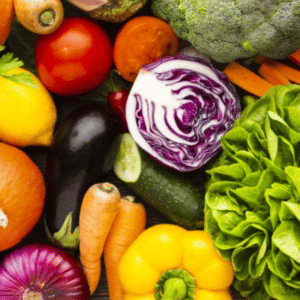
Start by storing food properly. Keep the onions and potatoes separate. Apples, bananas and tomatoes should be stored separately as well. Freeze the extra fruits and veggies before they ripen or wilt. Keep the nuts and seeds in the fridge or freezer and all the grains, beans and legumes in air-tight containers. The meat should always be kept in a separate drawer in the fridge otherwise it'll spoil the other foods. Wash all your greens and herbs and store them in water-draining containers.
Buying Lemon Zests No More
You don't have to buy lemon zest anymore because you can make them at home. Zests contain vitamins that boost your immune system as well as anti-inflammatory flavonoids and calcium to build your bones. Before you peel your citrus fruits or sweet limes or lemon, grate the skin. Store it in an airtight container and freeze it.
Don't Waste Those Herbs
Thyme, basil, rosemary, coriander and all those herbs and herb stems that you've got at home, use them to pack a punch in your food. Store your herbs in olive oil. Chop them, place it inside an ice cube tray, pour olive oil and freeze it. You can also dry them and then mix with butter or infuse them in soups, broths, stocks and salad dressings. The stalks are natural flavour enhancers, so use them instead of discarding into the dustbin.
Keep Those Vegetable Peels & Leaves
Don't throw away those vegetable peels. Look beyond those cauliflower florets, carrots, radish and beet - there are leaves in there too. Use them to make delectable dips, soups, stock, salads and even dal or sabzi instead of chucking them in the bin! Leave those vegetable peels on - they're edible and super healthy because they're rich in fibre, vitamins and minerals. Don't want the peels? Fry them to make crispy fritters or use them to make vegetable stock. Use the fruit peels to make different kinds of flavoured teas!
Cook Up A Storm With The Leftover Food
All that leftover food or wilted produce can be eaten in so many ways that are definitely so much better than wasting it. Soups, stir fry, smoothies, baked items, sauces - you can make all of these and more using the leftover food or produce. Got sabzi left from the previous night? Use it to make delish pakoras! Fried rice tastes better when made with leftover rice.
Make Your Own Stock
How about making your own vegetable stock using kitchen scraps or leftover produce? Homemade stocks are one of the best, most simple ways to reduce or reuse leftover produce or kitchen scraps. Collect all those beetroot/carrot/cauliflower leaves, ends of beans, leek tops, herb stalks, vegetable peels, garlic cloves, wilted greens and stuff, throw them into a pot of water and boil them. Let it simmer for about an hour, strain them and tada! Your in-house vegetable stock is ready! Use it to make gravies or soup.