Your Ultimate Wedding-Ready Skin Guide: Skincare Prep, In-Clinic Treatments, Home Remedies, & More

782 Interested |
11K  Views

Wedding season is just around the corner, and the last thing you want is your skin going all frenetic when all you really want is for it to stay sane. But good skin doesn’t happen overnight, and it definitely won’t cooperate unless you tweak your skincare routine and lifestyle. If you’re one of God’s favourite children and your skin already glows like a dream, our advice is simple: stick to what’s working—now is not the time to experiment.

Since we’re no experts, we roped in Dr Akanksha Sanghvi, dermatologist and founder of Oprava Aesthetics, to decode everything you need to know about wedding skincare. From tailoring routines based on your skin type to smart home remedies, here’s your ultimate guide to achieving flawless, wedding-ready skin—whether you’re the bride, groom, or just there to slay as a guest!

Pre-Wedding Skincare Prep

When it comes to skin care, especially for the big day, planning ahead always pays off. The usual skin cycle, which is the time it takes for new cells to surface, is about 28 days in your twenties, and even longer as we age. So if you’re preparing for an event, or simply want healthier, more even-toned skin, giving yourself at least 8–12 weeks makes a real difference.

To prep your skin before a wedding or any important event in your life, the first step is to visit your trusted dermatologist, who can help draft a skin care routine for you depending on your skin type. 

Acne-Prone Skin

Acne affects both men and women, but the underlying triggers can differ slightly. In men, higher levels of testosterone cause increased oil or sebum production, which, along with clogged pores and bacteria, leads to breakouts often concentrated on the face, chest, and back. In women, hormonal fluctuations around periods, polycystic ovarian syndrome or even discontinuation of contraceptives can fuel acne, often appearing as jawline and chin breakouts. Stress, genetics, makeup, diet, and skincare habits play a role in both genders, making acne a multifactorial condition rather than just an oily skin thing/

Skincare Routine:

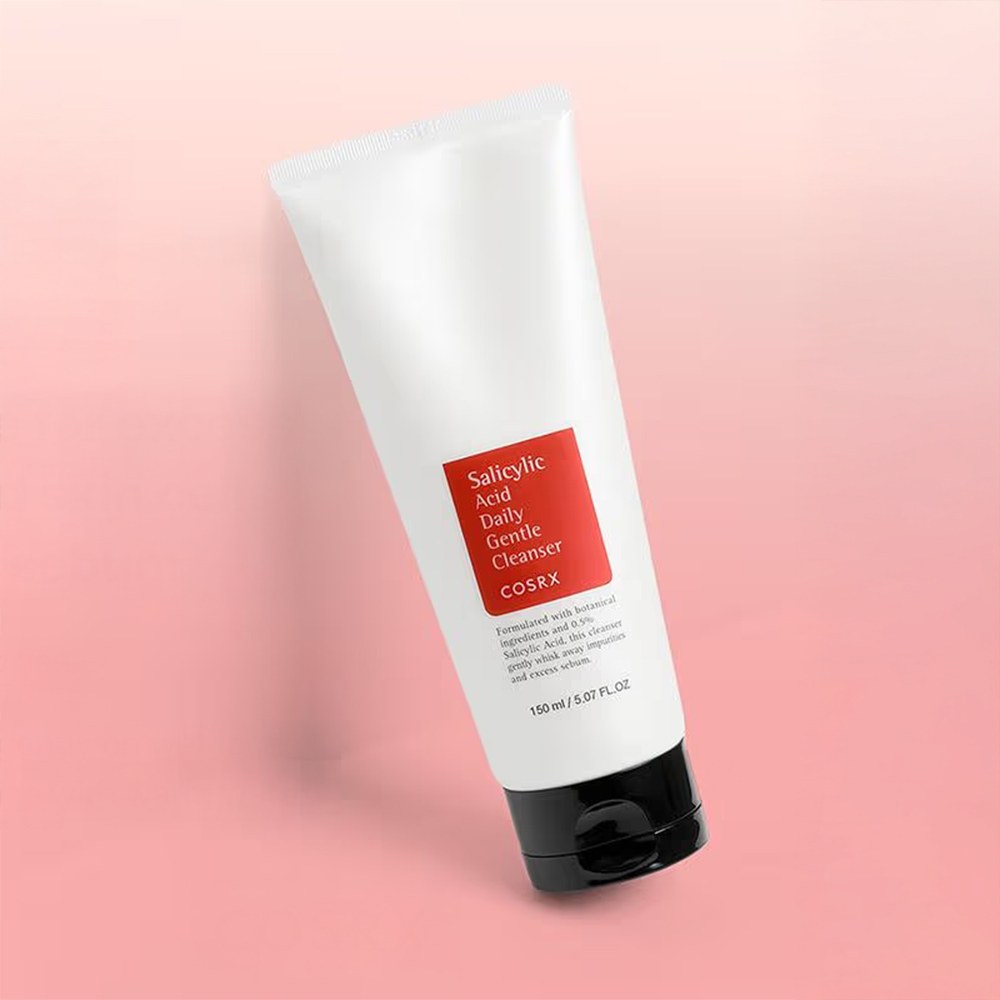
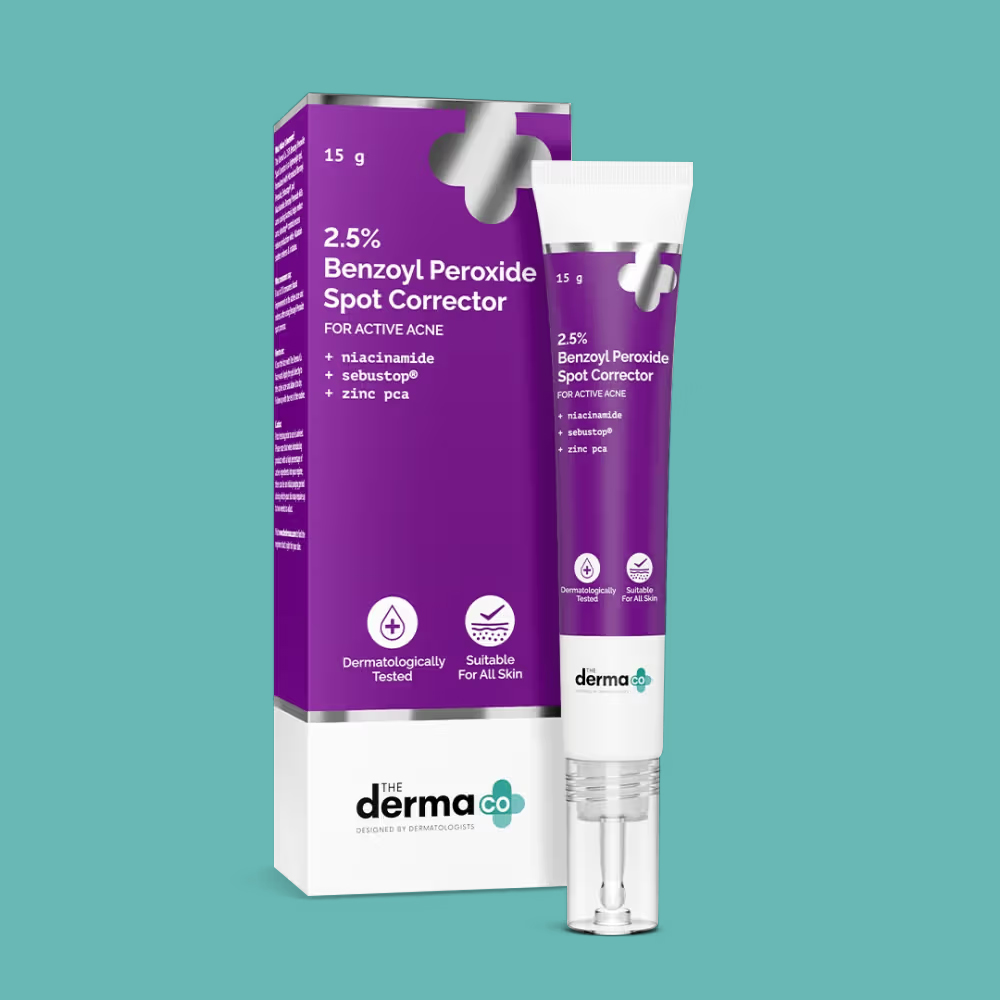
The best way to start a skincare routine for acne-prone skin is with a salicylic acid-based cleanser that works a great deal. Adding clindamycin, benzoyl peroxide, and a salicylic acid serum to the routine helps treat active acne. An exfoliant toner rich in alpha-hydroxy acids few times a week helps keep the pores clear. Inflammatory acne responds well to benzoyl peroxide gels, while prescription retinoids, like adapalene or tretinoin help prevent new breakouts, treat black heads and fade old marks over time.

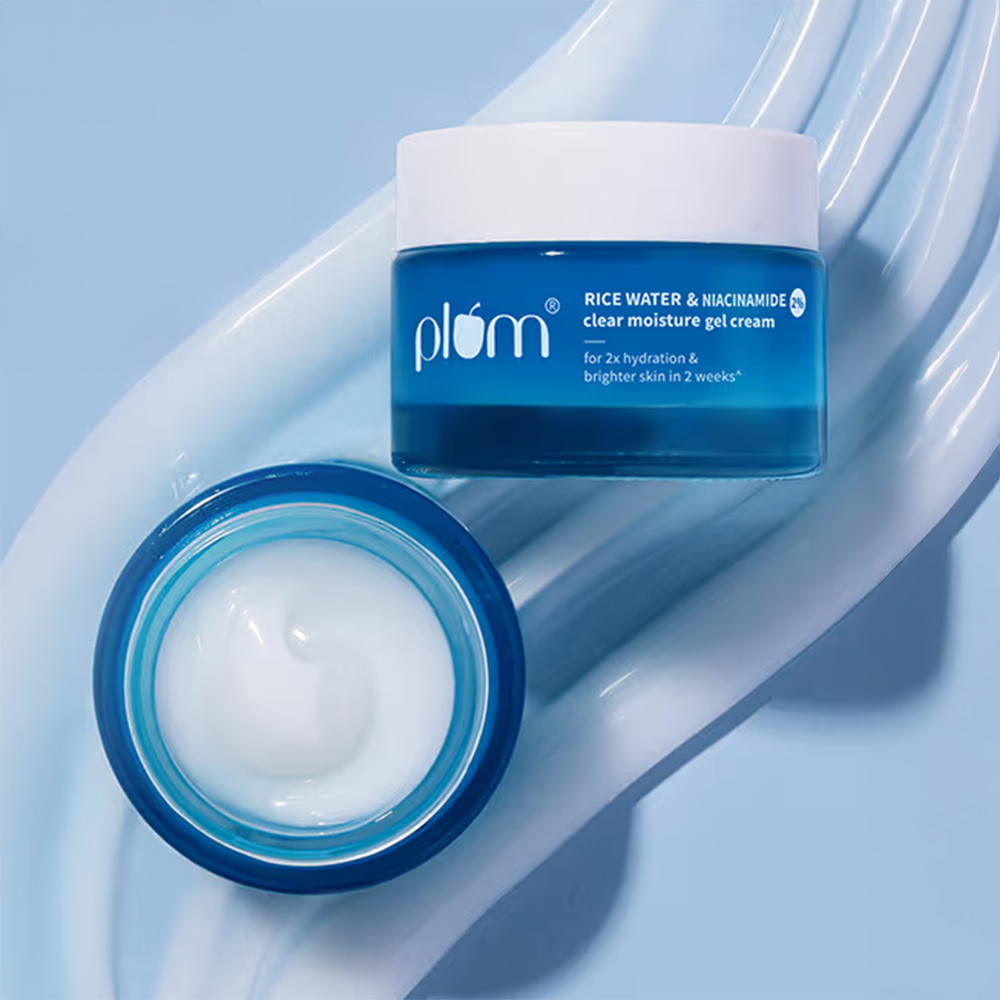
Always balance with a lightweight, non-comedogenic moisturiser and daily sunscreen, since both acne treatments and UV exposure can leave the skin more sensitive.

Nutritional Supplements:

Certain nutritional supplements can play an adjunctive role in acne management by targeting underlying hormonal or metabolic imbalances. Myo-inositol, in particular, has shown benefit in women with PCOD-related acne, or acne that sprout around the period-cycle. Other supportive supplements include zinc, which has anti-inflammatory and antimicrobial properties, omega-3 fatty acids, and vitamin D. While these are not substitutes for standard dermatological therapy, they can be valuable additions.

Pro-Tip10 Best Multivitamins For Women For Overall Health

In-Clinic Treatments:

Most in-clinic treatments focus not only on treating acne, but also preventing or treating post-acne sequelae such as pigmentation, marks and scarring. 

Chemical Peels are the most commonly sought-out treatment. A concentrated gel containing salicylic acid, glycolic acid, lactic acid or a combination of other fruit acids is applied to the skin and left on for some minutes.

Timeline: 4-6 sessions, 15-30 days apart. Start 3-6 months before the wedding.

- Q-Switch Nd:YAG Laser is great for treating the dark spots and uneven skin tone that often remain after acne. It sends very quick, precise pulses of energy that break down excess pigment without harming the surrounding skin, making it especially safe for Indian and darker skin tones.

Timeline: 6 sessions, 30 days apart. Start 6 months before the wedding.

- Blue Light Therapy is a non-invasive treatment that can help control acne by targeting the bacteria, Cutibacterium acnes, that live in the pores and trigger inflammation. Regular sessions can also calm redness, shrink active breakouts, and decrease oil activity to some extent. It’s painless, but usually works best as a supportive treatment alongside topical or oral medications.

Timeline: 6-10 sessions, 15 days apart. Start 4-6 months before the wedding.

- Exosome Skin Treatment combines the collagen-stimulating effects of microneedling with the regenerative power of exosomes. The benefits include faster recovery post-procedure, reduced redness and downtime, enhanced collagen and elastin production, improved acne scars and fine lines, brighter tone, and stronger skin barrier function.

Timeline: 4 sessions, 30 days apart. Start 5 months before the wedding.

- Morpheus 8 is an advanced radiofrequency microneedling treatment that combines two powerful technologies in one session. Tiny, gold-coated needles penetrate into the deeper layers of the skin while delivering controlled radiofrequency energy, which stimulates collagen and elastin production far more effectively than microneedling alone.

Timeline: 4-6 sessions, 30-45 days apart. Start 10-12 months before the wedding.

COSRX Salicylic Acid Daily Gentle Cleanser

COSRX Salicylic Acid Daily Gentle Cleanser

850
Shop On


The Derma Co 2.5% Benzoyl Peroxide Spot Corrector

The Derma Co 2.5% Benzoyl Peroxide Spot Corrector

399
Shop On


Plum 2% Niacinamide And Rice Water Moisturiser - Lightweight Gel Cream For Oil-Free Hydration

Plum 2% Niacinamide And Rice Water Moisturiser - Lightweight Gel Cream For Oil-Free Hydration

525
Shop On


Pigmentation-Prone Skin

Pigmentation in skin types that look patchy or prone to marks occurs because the skin cells that produce melanin are more active and reactive than in other skin types. In pigment-prone skin, pigment cells are larger, more numerous, and more efficient at transferring pigment to surrounding skin cells. This means that even minor triggers like sun exposure, inflammation from acne, hormonal changes, friction, or injury can lead to excess pigment being deposited, resulting in dark spots called post-inflammatory hyperpigmentation.

Skincare Routine:

For pigmentation and dark marks, strict sun protection is non-negotiable, as UV light is the biggest trigger. A vitamin C serum in the morning helps brighten and protect the skin against new spots. Niacinamide is a well-studied, gentle but effective ingredient for pigmentation. For more stubborn pigmentation, targeted agents like azelaic acid or tranexamic acid in short courses are prescribed, always under supervision. Retinol or Retinal enhance cell turnover, helping pigmented cells shed faster while boosting the absorption of other actives.

Nutritional Supplements: 

Vitamin C, prescribed as chewable tablets or effervescent drink, acts as a potent antioxidant and cofactor for collagen synthesis, helping lighten pigmentation and improve overall skin radiance. Vitamin E works synergistically with vitamin C to neutralise free radicals that stimulate excess melanin and help restore skin hydration. Polypodium leucotomos extract, a fern-derived antioxidant, has photoprotective properties and is commonly prescribed as an oral sunscreen that helps reduce UV-induced pigmentation and melasma flare-ups in sensitive skin types. Glutathione, a popular skin brightening treatment, can be prescribed as a tablet, effervescent drink and/or IV.

Pro-Tip6 Best Vitamins To Include For The Most Glowing, Radiant Looking Skin

In-Clinic Treatments: 

Hyperpigmentation often needs more than just topical care, and in-clinic procedures target excess melanin directly, helping fade dark spots, melasma, and post-inflammatory marks more effectively.

- Yellow Retinol Peel: This peel uses a cream-based retinol formula that is applied to the skin and left on for 6-8 hours. The cream penetrates deeper into the skin, induces visible peeling after some days, stimulating cell turnover and lifting off stubborn pigmentation.

Timeline: 3 sessions, 30–45 days apart. Start 4–5 months before the wedding.

- Q-Switch Nd:YAG or Pico Laser: Pico laser and Q-switch laser are a great option for individuals looking for treatment of pigmentation and achieving an overall even skin tone in a short span of time. Each session of Q-switch laser or pico laser helps reduce patchy pigmentation on the skin instantly and can be done on areas such as the face, back, knees, elbows, and any other scars on the body.

Timeline: 6 sessions, 30 days apart. Start 6 months before the wedding.

- Mesotherapy: In this technique, microinjections deliver a cocktail of brightening agents such as tranexamic acid, vitamin C, and glutathione, growth factors directly into the skin. This targeted delivery reduces melanin activity, lightens existing spots, and improves skin radiance.

Timeline: 4 sessions, 30 days apart. Start 5 months before the wedding.

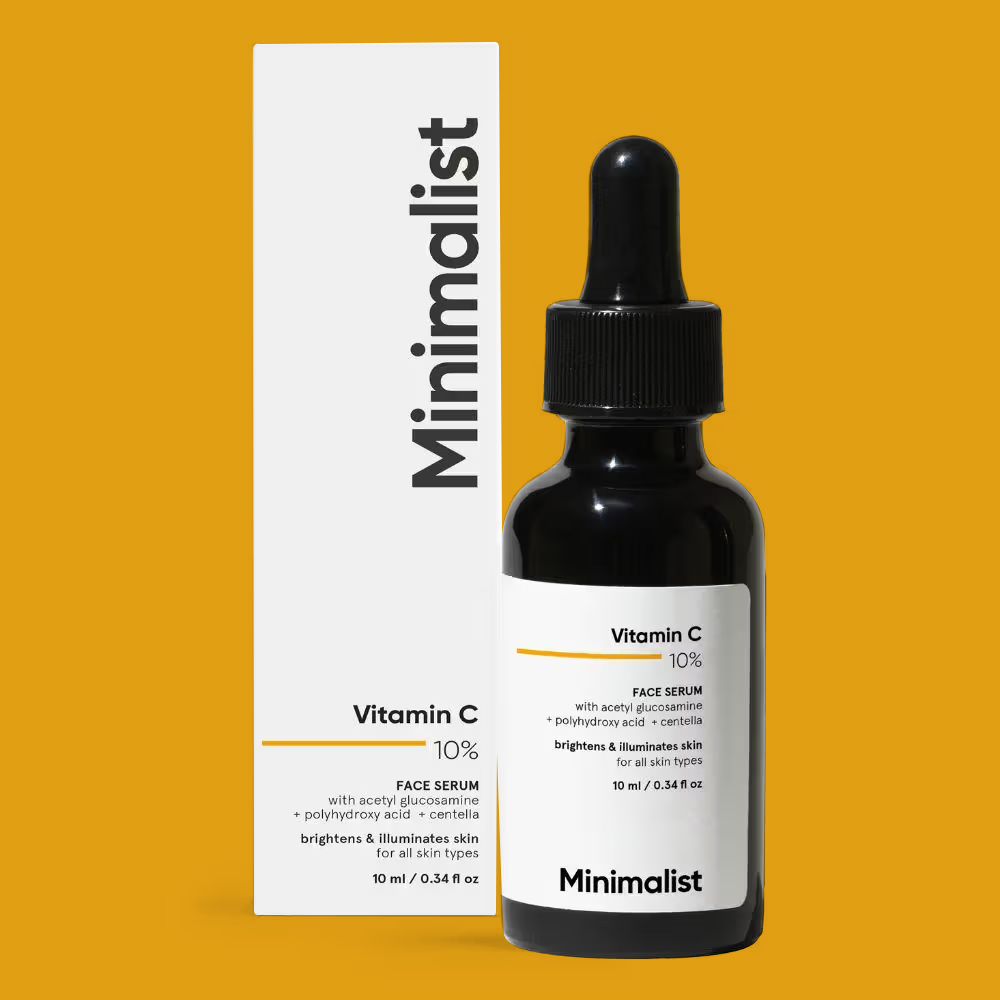
Minimalist 10% Vitamin C Serum For Face For Glowing Skin For Beginners

Minimalist 10% Vitamin C Serum For Face For Glowing Skin For Beginners

299
Shop On


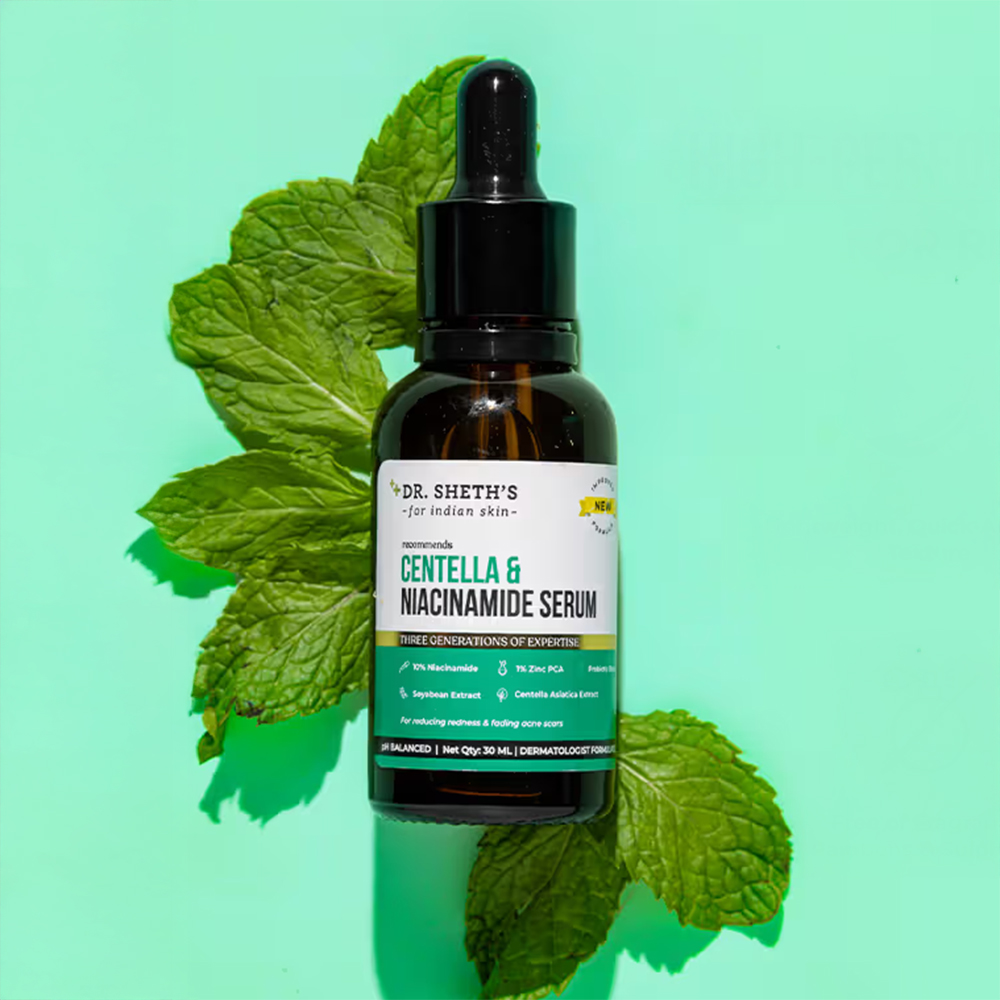
Dr. Sheth's Centella &10% Niacinamide Face Serum For Acne Scars & Marks Improves Skin Texture | 30Ml

Dr. Sheth's Centella &10% Niacinamide Face Serum For Acne Scars & Marks Improves Skin Texture | 30Ml

599
Shop On


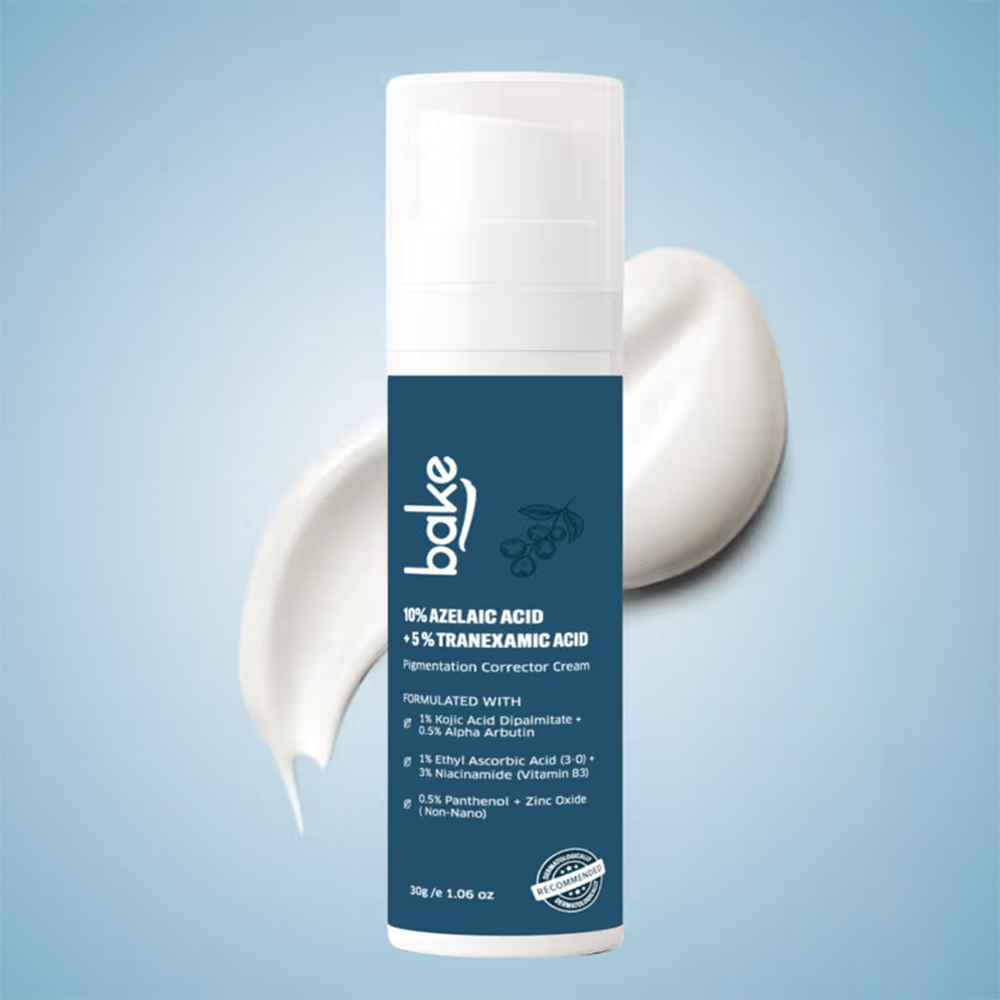
Bake 10% Azelaic Acid + 5% Tranexamic Acid Cream Serum For Pigmentation, Dark Spots & Tan Removal

Bake 10% Azelaic Acid + 5% Tranexamic Acid Cream Serum For Pigmentation, Dark Spots & Tan Removal

525
Shop On


Ageing Skin

Ageing skin is a natural process influenced by intrinsic factors like genetics and hormonal changes, as well as extrinsic factors such as UV exposure, pollution, and lifestyle habits. With age, the skin gradually loses collagen, elastin, and hyaluronic acid, leading to fine lines, wrinkles, sagging, uneven tone, and dryness. The delicate areas around the eyes and mouth are often the first to show signs of ageing. Environmental stressors, smoking, and repeated facial expressions accelerate these changes. Proper early intervention can slow visible ageing, improve skin quality, and maintain a youthful appearance.

Skincare Routine:

A comprehensive anti-ageing skincare routine targets multiple layers of skin and combines both preventive and corrective approaches. Night-time use of peptide serums helps a great deal in reducing fine lines and improving early signs of ageing. Argireline serums work well in sync with in-clinic treatments for brides and grooms who are conscious of their fine lines, especially around the eyes. Retinol or retinal serums reduce fine lines, improve texture, and fade pigmentation. Eye serums containing peptides, antioxidants, vitamin C or mild retinoids work well for individuals with early signs of ageing around the eyes.

Nutritional Supplements:

Certain nutritional supplements can complement topical therapies for anti-ageing. Collagen peptides support dermal collagen levels, improving skin elasticity and hydration. CoQ10 is a powerful antioxidant that protects the skin's collagen and elastin from damage caused by everyday stress and sun exposure. NMN helps your skin cells produce energy and repair themselves, which can slow down some of the natural ageing changes. Ceramides act like the skin's natural moisturiser, keeping it hydrated and preventing dryness, which often happens as we age. 

In-Clinic Treatments:

Most in-clinic treatments for ageing skin focus on stimulating collagen, restoring volume, tightening tissue, and improving skin texture:

- Vampire Facial/ PRP Microneedling: Platelet-rich plasma from the patient's own blood is applied during microneedling to initiate skin repair, stimulate collagen, improve elasticity, reduce fine lines, and enhance overall radiance.

Timeline: 3 sessions, 30–45 days apart. Start 4–5 months before the wedding.

- GFC Skin Microneedling: Growth Factor Concentrate, again extracted from the patient's own blood, combined with microneedling,  strengthens the skin barrier, accelerates skin rejuvenation, reduces fine lines, tightens pores, and restores youthful glow. 

Timeline: 3 sessions, 30–45 days apart. Start 4–5 months before the wedding.

- Stem Cell Skin Rejuvenation: Uses stem cells derived from plant extracts that help intensely repair early signs of ageing and promote regeneration of skin's deeper layers, which eventually improves texture, and restores volume subtly.

Timeline: 3 sessions, 30–45 days apart. Start 4–5 months before the wedding.

- Forma RF Skin Tightening: This treatment is for individuals looking for simple, non-invasive skin treatments for anti-ageing and skin rejuvenation. This treatment feels like a hot stone massage that uses a hand-held wand to heat deep dermal layers of skin to stimulate collagen and elastin.

Timeline: 6-8 sessions, 2 weeks apart. Start 4–5 months before the wedding.

- Polynucleotides/ Salmon DNA Therapy: This treatment involves injecting purified DNA fragments, extracted from marine sources, into the skin to promote repair and rejuvenation. These polynucleotides help stimulate collagen and elastin production. It works great for undereye hollows and fine lines. 

Timeline: 4-6 sessions, 4 weeks apart. Start 7-8 months before the wedding.

- Skin Boosters Using Hyaluronic Acid: Microinjections of stabilised hyaluronic acid are injected in tiny droplets under the skin that instantly hydrate the skin from within, improve elasticity, fine lines, and give a plump, dewy appearance.

Timeline: 3 sessions, 4 weeks apart, maintenance every 6 months. Start 7-8 months before the wedding.

- Baby Botox: A very diluted, low-dose of Botox/botulinum toxin is injected superficially into the topmost layer of the skin. This treatment is great for individuals with open pores and an orange peel-like texture. It also helps control excess oil production in some areas.

Timeline: 2-3 sessions per year, 3-6 months apart. Start 7-8 months before the wedding.

- Profhilo: This unique injectable treatment involves 5 injections of stabilised hyaluronic acid on each side of the face that hydrates and remodels the skin from within, giving a glass-like, dewy skin. Unlike traditional fillers, it spreads evenly across the skin, improving firmness, elasticity, and overall skin quality.

Timeline: 2 sessions, 1 month apart. Start 2 months before the wedding.

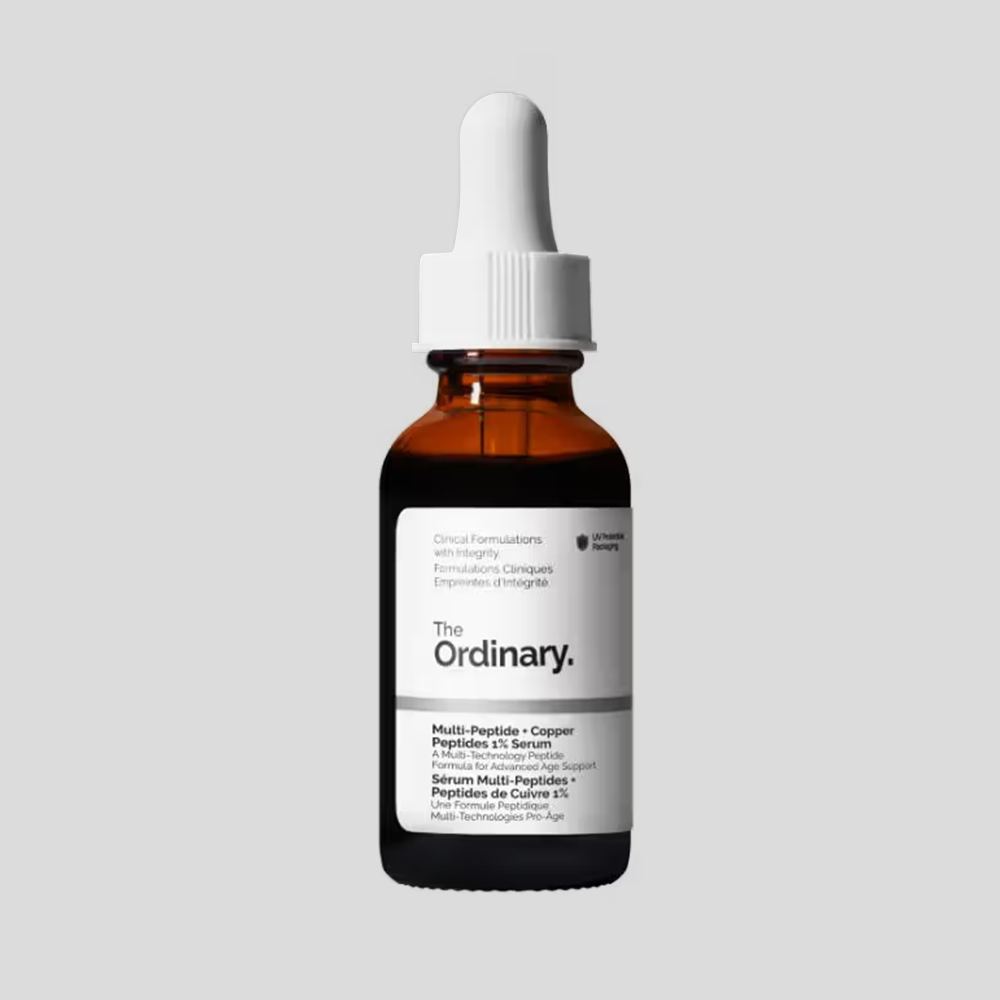
The Ordinary Multi-Peptide + Copper Peptides 1% Serum

The Ordinary Multi-Peptide + Copper Peptides 1% Serum

2950
Shop On
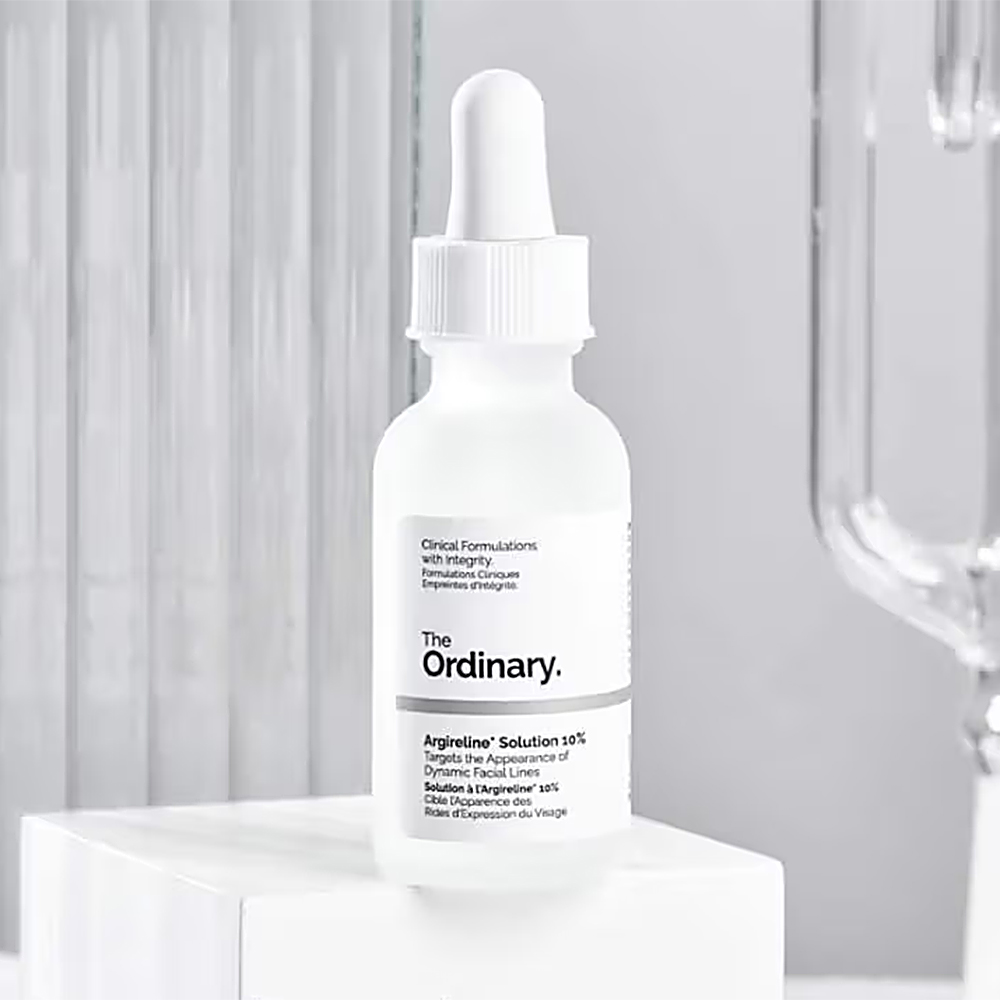
The Ordinary Argireline Solution 10%

The Ordinary Argireline Solution 10%

1000
Shop On
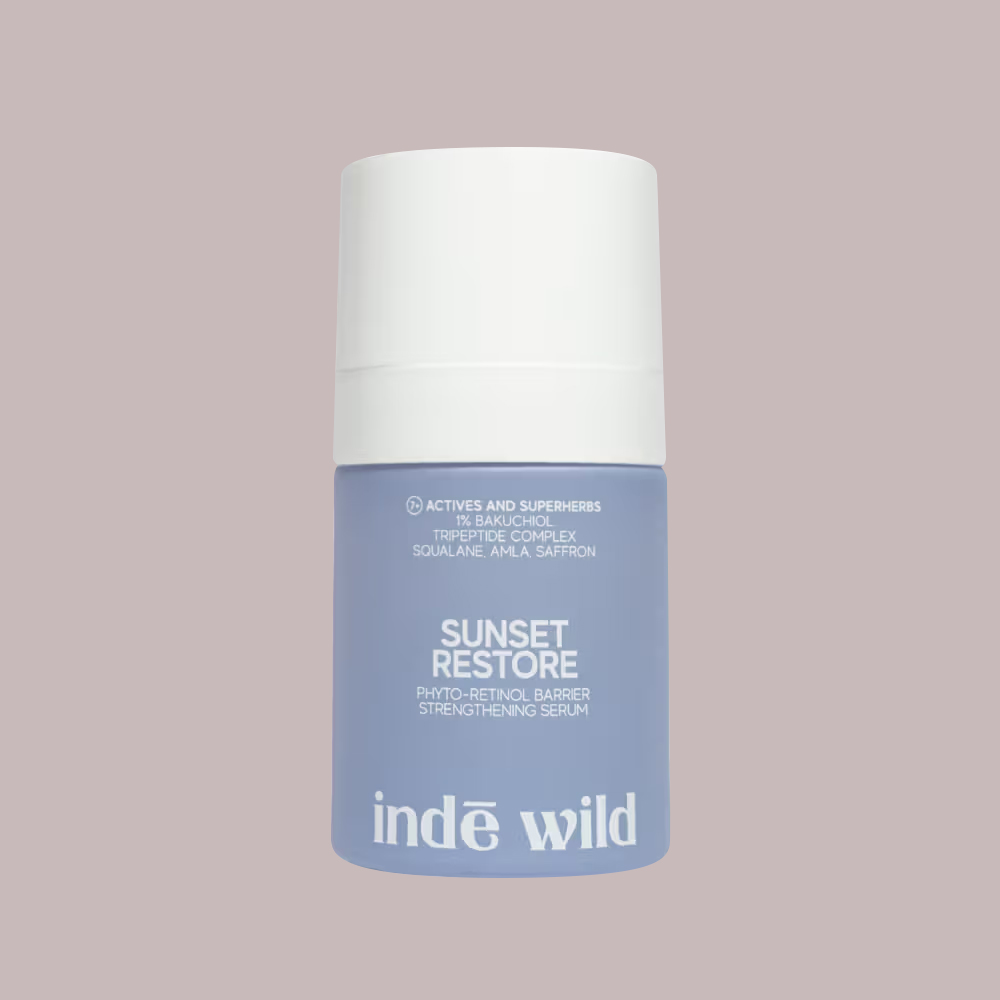
Inde Wild Sunset Restore Phyto - Retinol Barrier Strengthening Serum

Inde Wild Sunset Restore Phyto - Retinol Barrier Strengthening Serum

1970
Shop On

Lifestyle Changes: Tips & Tricks

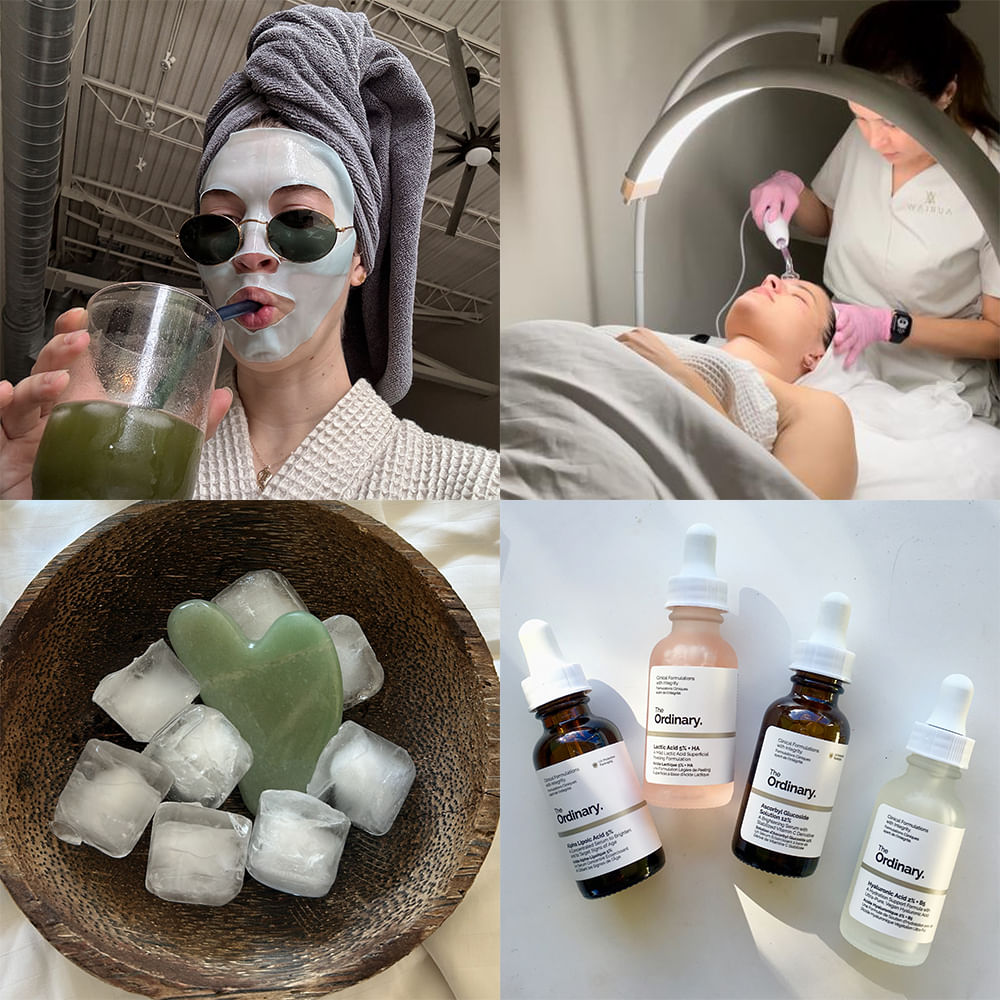
- Start green juices at least 6 months before the big day. Green juices are a great way to detox your body and skin and protect your skin cells from damage caused by free radicals. 

- For glowing, healthy skin, following the “5 A Day” rule by the NHS, UK, can be especially powerful when you focus on fruits and vegetables rich in skin-friendly nutrients. 

- Brides and grooms must sleep 7-8 hours uninterruptedly, as during deep rest the body releases growth hormone that repairs damaged tissues, including the skin. Lack of sleep raises cortisol levels, which can break down collagen, cause puffiness and accelerate ageing. 

- Ever wondered why a healthy gut equals healthy skin? It is because of the “gut-skin axis”. The gut–skin axis refers to the close connection between gut health and skin health, and an imbalance in gut bacteria can increase inflammation, which may contribute to conditions like acne, eczema, rosacea, or even premature skin ageing. Taking probiotics helps restore a healthy balance of gut microbes.

Home Remedies

- Start rosemary and coconut hair oil massages at least once a week for hair growth and to reduce hair fall.

- Worried about looking bloated and puffy? Soaking your face in a bowl of ice water helps constrict blood vessels, which reduces swelling and puffiness. The cold temperature also calms inflammation and tightens skin temporarily. 

- Gua sha uses gentle scraping movements along the skin to stimulate lymphatic flow and reduce fluid buildup. You can use natural face oils along with it to help allow the tool to glide without tugging or damaging the skin. 

- Enjoyed your green tea, now freeze the bag. Frozen green tea bags work as a cold compress to reduce puffiness and refresh tired eyes. The caffeine in green tea helps shrink blood vessels, easing dark circles.

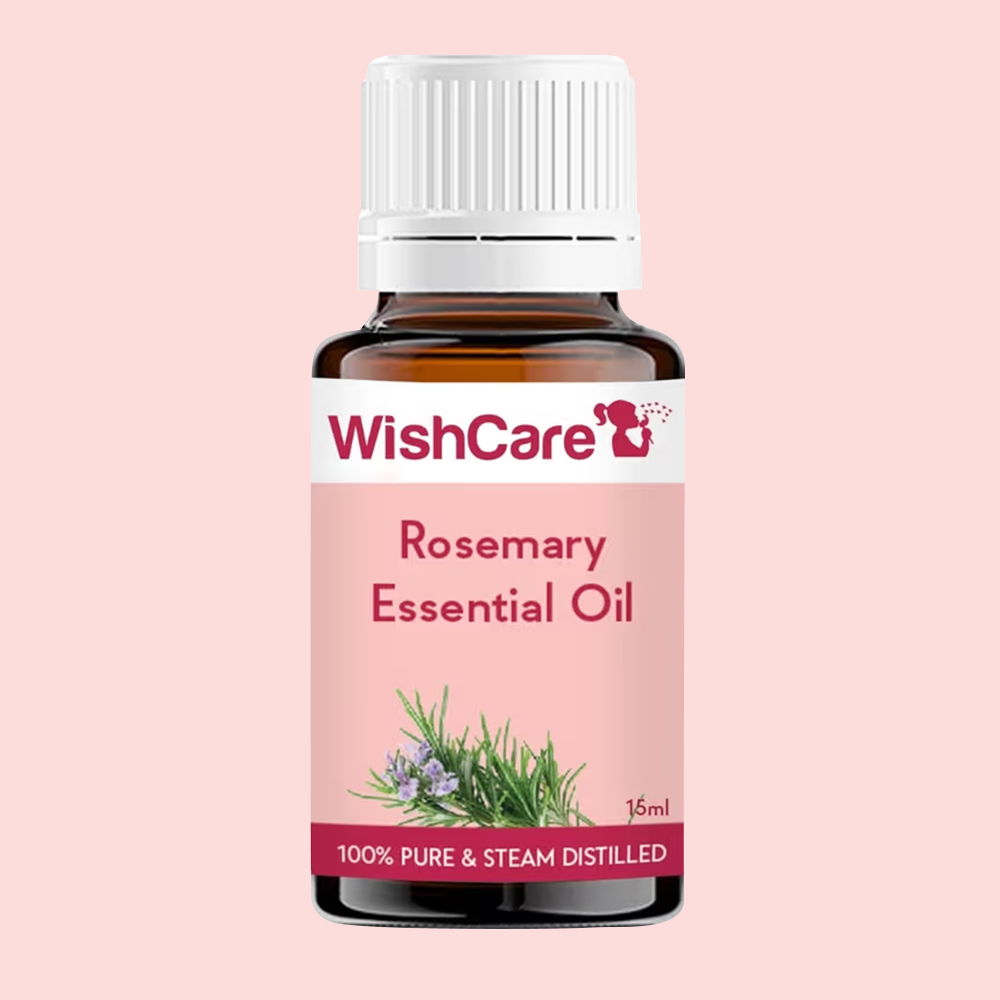
Wishcare Rosemary Essential Oil For Hair Growth & Hair Nourishment -100% Pure & Natural Rosemary Oil

Wishcare Rosemary Essential Oil For Hair Growth & Hair Nourishment -100% Pure & Natural Rosemary Oil

349
Shop On
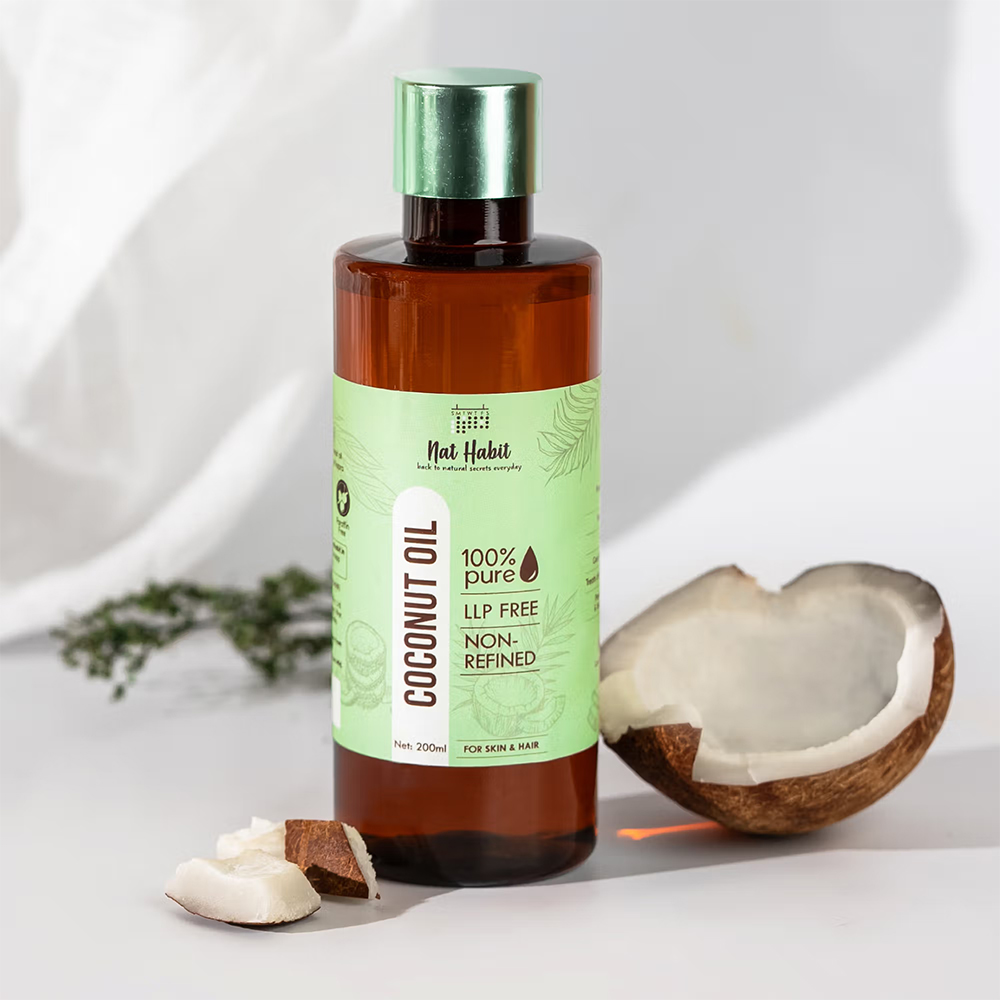
Nat Habit Pure Coconut Oil

Nat Habit Pure Coconut Oil

279
Shop On
Nykaa Green Jade Gua Sha Stone - Best Used With Serums & Facial Oils for Sculpting

Nykaa Green Jade Gua Sha Stone - Best Used With Serums & Facial Oils for Sculpting

1799
Shop On

Emergency Skincare SOS

- Dermatologists can give a small corticosteroid injection into your sudden huge, cystic acne that may sprout out any time before the D-day. This flattens the swelling within 24–48 hours, much faster than creams or home remedies.

- Do not self-treat any sudden rash with random creams. Always see a dermatologist immediately, as rashes may worsen with the wrong products. Soothing moisturisers and anti-inflammatory creams can be used to settle your rash within 48 hours with the right prescription medicines.

- If you have coloured your hair recently and developed a hair dye allergy, it can cause sudden redness, itching, swelling, or even breathing difficulty. In such emergencies, wash the dye off immediately and seek urgent medical help, especially if swelling or breathing issues occur. Over-the-counter anti-histamines or anti-allergy tablets can help temporarily till you see your treating doctor. 

Dos & Don'ts

Dos

- Start a consistent skincare routine at least 3–6 months before the wedding for best results.

- Keep skin hydrated with a gentle cleanser, moisturiser, sunscreen, and regular sleep.

- Nourish hair with oiling, conditioning, and a balanced diet rich in protein and vitamins.

- Schedule professional treatments like facials, peels, lasers well in advance, not last-minute.

- Do patch tests for any new product, hair colour, or treatment before using.

Don’ts

- Don’t experiment with new facials, peels, or products right before the big day; it may trigger breakouts or irritation.

- Avoid last-minute hair dye changes or strong chemical treatments close to the wedding.

- Don’t pick or squeeze pimples, as this may leave marks or worsen inflammation.

- Avoid excessive sun exposure or skipping sunscreen, as tanning and pigmentation take time to fade.

- Don’t neglect rest and hydration; stress and lack of sleep can show on your skin.

img-user-riya-narula-903150474474
104 Followers

A literature and fashion grad who is powered by mitochondria and mocha. With almost 4 years of experience in writing all things fun, this is your spot for the top-notch recs!